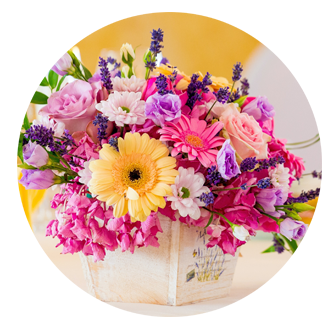
Havering Council rules for flowers on public verges
Posted on 19/10/2026
Havering Council rules for flowers on public verges: what you should know before planting or placing blooms
If you are looking into Havering Council rules for flowers on public verges, you are probably trying to do something decent and simple: brighten up a roadside patch, mark a memorial, or keep a verge looking cared for without causing trouble. Fair enough. But verges are one of those odd little spaces where public land, highway safety, maintenance duties, and community goodwill all meet in the same muddy strip.
That means the answer is rarely just "yes" or "no". In practice, what matters is whether the verge is part of the public highway, whether planting could affect visibility or access, and whether the council or another authority manages the land. The detail matters more than people expect. One person sees a row of daisies; another sees trip hazards, blocked sight lines, and a mower operator with a headache.
This guide breaks down the topic in plain English. You will get a practical explanation of how verge flower rules usually work in Havering, why councils care so much, what to check before you act, and how to avoid the common mistakes that turn a nice idea into a complaint. There are also checklists, comparisons, and a real-world style example so you can make a sensible decision without guesswork.
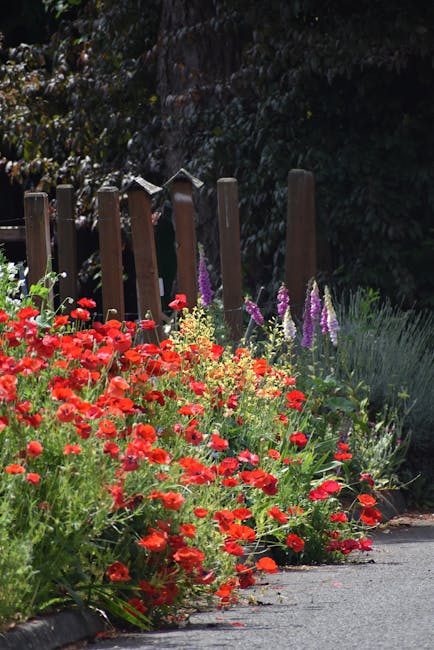
Why Havering Council rules for flowers on public verges Matter
Public verges look harmless, but they sit within a tightly managed part of the local environment. In many places, the verge is alongside a highway, path, or drainage edge, which means decisions about flowers are not just decorative. They can affect safety, maintenance, and who is responsible if something goes wrong.
In Havering, as in other London boroughs, the council has to balance several things at once: keeping roads usable, allowing routine grass cutting, maintaining visibility for drivers and pedestrians, and responding fairly to residents who want to improve the street scene. That is why the rules matter even when the request seems small.
There is also the neighbour factor. One person may love a neat patch of wildflowers; another may think it looks untidy or worries the verge is becoming "claimed" by one household. To be fair, both views can be understandable. A verge is shared space. If you want to place flowers there, you need to treat it like shared space, not an extension of your front garden.
Practical takeaway: if the verge is public land, assume you need permission or at least clear guidance before planting, placing containers, or adding memorial flowers. A quick check now can save a complaint later.
There is another reason this subject gets attention: roadside items can create unexpected risks. A flower arrangement in the wrong spot may interfere with mowing, conceal a drain cover, attract litter, or become a hazard if it falls into the footway. Even a small arrangement can be a nuisance if it sits where maintenance teams need free access.
And yes, the weather has a role too. A windy afternoon, a passing lorry, and a lightweight pot can become a little travelling object. Not ideal. Not at all.
How Havering Council rules for flowers on public verges Work
The exact approach can vary depending on the location and purpose, but the basic principle is straightforward: public verges are not automatically available for private planting or decoration. If you want to put flowers on one, the council or the relevant highway authority may need to agree, especially if the flowers are being planted into the ground or placed in a way that changes how the verge is used.
Usually, there are a few things that matter most:
- Ownership and control - who manages the land and whether it is adopted highway land, council-maintained verge, or another parcel entirely.
- Visibility and safety - whether flowers might block sight lines at junctions, crossings, driveways, bends, or roundabouts.
- Maintenance access - whether mowing crews, street cleaners, or utility teams need access.
- Temporary versus permanent use - loose flowers or removable tributes are treated differently from planting bulbs or shrubs in the ground.
- Public nuisance and obstruction - whether the flowers create mess, spill onto pavements, or attract repeated complaints.
In everyday terms, a bunch of flowers left carefully and respectfully in a suitable place may be treated differently from someone digging up a verge and turning it into a mini flower bed. The first is often a temporary memorial or gesture. The second can look like an unauthorised change to public land. Big difference, really.
If you are planning something longer term, the council may expect you to keep the area tidy, avoid anything thorny or sprawling, and make sure it will not interfere with mowing or create trip hazards. If the flowers are part of a memorial or community tribute, a more sensitive approach is usually needed, but that still does not mean everything is automatically allowed.
One useful way to think about it is this: the council is usually less concerned with the flowers themselves and more concerned with where they are, how they are fixed or planted, and what impact they have on the wider street environment. That practical lens explains a lot.
You may also notice that some people assume a verge is "free" space because nobody seems to own it in a normal everyday sense. That assumption is often where problems start. Public land is still managed land, and managed land has rules. Simple as that.
Key Benefits and Practical Advantages
Although the rules can feel restrictive, there are real benefits to getting them right. When you follow the proper process, you are more likely to get a result that lasts, stays safe, and avoids friction with the council or neighbours.
- Fewer complaints - a considered arrangement is less likely to be removed or challenged.
- Better safety - you reduce the chance of blocking visibility or creating a trip hazard.
- Cleaner presentation - a permitted arrangement tends to look intentional rather than cluttered.
- Easier maintenance - if the verge can still be cut and inspected properly, everyone wins.
- Less waste - you avoid spending time and money on flowers that may be taken away quickly.
For families, the benefit is often emotional as much as practical. A small flower tribute can be a dignified way to remember someone, especially near a home, street corner, or spot that matters deeply to them. When done carefully, it can feel respectful and calming. You notice it more in the early morning too, when the street is quiet and the light sits soft on the petals.
For residents who care about appearance, a managed verge planting can improve the street scene without becoming messy or overgrown. That is the sweet spot: something gentle and tidy that fits the place, not something that shouts over it.
There is also a civic benefit. Communities often feel better when people improve shared spaces responsibly. It sends the right message - we care, but we also respect the rules that keep the place workable for everyone else.
If you are working on a broader home or local gifting plan, you may also find it helpful to look at flower care guidance so any blooms you use stay fresh for as long as possible. And if you are sending flowers for a related occasion, a local florist in Emerson Park RM11 can help you choose something that suits the setting more naturally.
Who This Is For and When It Makes Sense
This topic is relevant to quite a few people, and the motives are not the same.
Homeowners near a verge
Maybe you want to improve the look outside your property, soften a bare patch, or make a roadside memorial more presentable. That makes sense, but you still need to check whether the verge is public and whether the proposed flowers would interfere with maintenance or visibility.
Families arranging a tribute
If the verge is close to a meaningful place, you may be considering loose flowers, a vase, or a small planted tribute. These are emotionally sensitive situations. The key is to keep the gesture respectful and unobtrusive. Sometimes the smallest tribute is the most appropriate. Truth be told, that is often enough.
Community groups and neighbours
Perhaps a few residents want to improve a dull stretch of verge with seasonal flowers or pollinator-friendly planting. That can be a lovely idea, but it needs coordination. If one person acts alone, the rest of the street may not agree. Ask first. Always ask first.
Local businesses
Businesses sometimes want to tidy or embellish land near their premises. If the verge is not theirs, they should treat it as public space and seek approval. A neat display can create a good first impression, but an unauthorised one can look a bit awkward very quickly.
Event organisers
In some cases, flowers are being placed temporarily for remembrance events, community celebrations, or ceremonial occasions. Temporary displays may be treated more flexibly than permanent planting, but timing and removal still matter. Do not assume "temporary" means "anything goes".
The simplest test is this: if your flowers will be visible from the road, on land you do not control, or in a place that council crews must access, it is worth checking before you go ahead. That is the sensible line.
Step-by-Step Guidance
If you want to handle the situation properly, the best approach is methodical rather than hopeful. A little planning avoids the awkward "someone has already dug it up" conversation later.
- Identify the exact verge
Look carefully at the location. Is it outside your property, beside a road, near a junction, or around a tree pit? Even small details matter. A verge close to a bend can have different safety implications from one on a quiet residential street. - Check whether it is public land
Do not rely on assumption. Land that looks like "the bit outside the house" is often highway land or council-managed land. If you are unsure, ask the council before placing anything. - Decide what you want to do
Are you placing cut flowers temporarily, using a vase, planting bulbs, or creating a long-term floral display? The more permanent the idea, the more likely permission will matter. - Think about safety first
Ask whether the flowers would obscure drivers, cyclists, or pedestrians. Would they narrow the footway? Could they be blown into the road? Would someone trip over the container? That one gets missed surprisingly often. - Choose suitable flowers and containers
Low, stable, non-spreading arrangements are generally safer than tall, brittle, or heavy ones. If the display is temporary, use something that is easy to remove and does not leave marks or damage. - Consider maintenance access
If the verge is mown, inspected, or used for utility access, your display should not prevent that. A good arrangement should be easy to see and easy to lift if needed. - Keep records of any permission or agreement
If someone gives approval, keep the details. Even a short email can prevent confusion later. Small admin task, big peace of mind. - Inspect the display regularly
Flowers fade, containers move, and weather changes things quickly. Check the site after rain, wind, or a busy weekend. - Remove anything damaged or untidy
Worn flowers, broken stems, or toppled pots can make the verge look neglected. If the tribute has served its purpose, take it away neatly.
A practical example: if a family wants to leave flowers near a roadside location after a memorial event, the safest approach is often a small, stable bouquet or low arrangement placed where it does not interfere with pedestrians or the carriageway. If they want something longer term, they should first seek guidance rather than quietly planting the verge and hoping for the best.
Expert Tips for Better Results
If you want your flower display to feel respectful rather than random, a few simple habits make a big difference.
Keep the display low and tidy. Low arrangements are less likely to catch the wind, obstruct views, or clash with mowing equipment. In roadside settings, neatness is not fussy - it is smart.
Use restrained colours when the setting is sensitive. Soft whites, greens, and muted pinks often sit more comfortably in memorial or residential settings than loud mixed colours. That is not a rule, just a practical observation. Bright can work too, but the setting has to suit it.
Think about the season. Spring bulbs and summer bedding behave differently. A display that looks fine in April may be battered by August heat or November rain. London weather, honestly, keeps everyone honest.
Choose flowers that age gracefully. Some flowers collapse quickly and leave a sloppy impression. Others dry down more neatly. If the display might stay in place for several days, pick varieties that still look dignified as they fade.
Avoid anything that spreads aggressively. Certain plants can creep beyond the space they were meant to occupy. On public land, that becomes a maintenance issue very fast.
Use a stable base if a container is involved. A weighted vase or low pot is usually safer than a tall, narrow one. Nobody wants a bouquet skittering across the pavement like a tiny wheelbarrow in a gust.
Coordinate with neighbours when the display is visible from several homes. This is often overlooked. If the arrangement is in plain sight, others may have strong feelings about it. A brief heads-up can prevent a lot of awkwardness.
Match the gesture to the location. A memorial verge on a quiet side street may suit a small tribute. A busy junction almost certainly does not. The setting should guide the scale, not the other way round.
If you are looking for something more polished for a special occasion rather than a public verge, a carefully chosen bouquet from the best sellers collection or a seasonal option like summer flowers may be a better fit for private display or home placement. That way, the sentiment stays intact without creating avoidable issues in public space.
Common Mistakes to Avoid
Most problems with verge flowers are not malicious. They are simply the result of people assuming the space is fair game. That assumption can be costly.
- Planting without checking ownership - this is the big one. If you do not know who controls the verge, you do not know whether planting is allowed.
- Using heavy or unstable containers - a pot that tips easily can become a hazard, especially near footways or driveways.
- Choosing tall arrangements near roads - anything that blocks sight lines can create a safety concern, even if it looks beautiful.
- Leaving flowers to decay in place - wilted blooms and broken stems can make a heartfelt gesture look neglected.
- Assuming a memorial always overrides maintenance needs - councils still have to manage land safely and consistently.
- Ignoring weather - light containers, loose petals, and ribbon ties do not always survive a strong wind. A real shame, but there it is.
- Using prickly or invasive plants - these are harder to manage and may be unpleasant for passers-by or maintenance teams.
- Overcrowding the space - a verge can quickly look cluttered if too many items are placed there.
One subtle mistake is not thinking about the lifecycle of the display. People focus on the day they place the flowers, but the council and neighbours experience the aftermath. If your arrangement is still there a week later, does it still look cared for? If the answer is no, it probably needs to go.
Another common slip is assuming that because one arrangement was tolerated, all future arrangements will be accepted. That is not how public-space management works. Each case can depend on location, timing, and impact. Annoying maybe, but understandable.
Tools, Resources and Recommendations
You do not need specialist equipment to handle verge flowers well, but a few simple tools help you stay organised and respectful.
- Measuring tape or estimate by stride - useful for checking how much space your flowers would occupy.
- Phone camera - take a quick photo before you place anything so you can review sight lines and clutter later.
- Weather app - sounds obvious, yet wind and rain are often the difference between tidy and untidy.
- Bucket or weighted container - helps with stability if you are transporting a loose arrangement.
- Gloves and secateurs - handy if you are trimming stems or clearing old flowers.
- Notebook or notes app - keep details of any permission, location, or agreed removal date.
For flowers themselves, many people prefer varieties that hold shape well and do not shed too much. If you are selecting by colour or mood, browse options such as white flowers for a calm look, purple flowers for something more reflective, or mixed colours if the setting is informal and cheerful.
If the tribute is for a sad occasion, the gentler ranges in sympathy flowers or wreaths may be more appropriate for a private or agreed memorial setting than a loose bunch in a public verge. And if budget matters, there is nothing wrong with that - a thoughtful arrangement from cheap flowers can still be respectful when chosen carefully.
For some readers, the sensible next step is simply to speak to a local florist or use a delivery option that keeps the flowers for home, church, or event space instead of public land. A service such as delivery information and contact us can be helpful if you need advice before committing to a purchase or a tribute plan.
Law, Compliance, Standards, and Best Practice
This is the part people often skip, then wish they had not. Public verge flowers can touch on several areas of responsibility at once: highway safety, land management, public nuisance, and in some cases memorial sensitivity. The exact legal position can vary depending on the land status and the council's policies, so it is sensible to treat guidance carefully rather than assuming a blanket rule.
As a general best practice in the UK, any addition to public land should be:
- non-obstructive
- safe for pedestrians, drivers, and maintenance teams
- easy to remove if necessary
- consistent with local maintenance schedules
- unlikely to damage the verge or surrounding infrastructure
That applies whether you are talking about a tribute, a small seasonal display, or a more ambitious planting project. There is no point pretending otherwise. A beautiful idea that creates access or safety problems is not a good idea for long.
It is also worth remembering that councils often have to act to keep public areas usable for everyone. Even if your intention is kind, the authority may still have to remove flowers if they create a hazard or block mowing. That is not personal. It is just how public-land management works.
If your project is more formal - for example, part of a community planting initiative - ask for written approval and make sure your plan includes maintenance, watering, and eventual removal. Best practice is not glamorous, but it is what keeps things going when the novelty wears off.
For those sending flowers in a more conventional way, it may be better to use a dedicated service like send flowers in Emerson Park RM11 or a same-day option such as same-day flower delivery rather than using a verge at all. That is often the most respectful, least complicated route.
Options, Methods, and Comparison Table
If you are weighing up what to do, the choice usually comes down to a few practical options. Here is a simple comparison to make that decision easier.
| Option | Best for | Likely issues | Practical note |
|---|---|---|---|
| Loose cut flowers placed temporarily | Short-term tribute or gesture | Can blow away, fade quickly, or be removed during cleaning | Best kept small, tidy, and easy to collect |
| Stable vase or container | Short-term display in a calm, safe location | Trip hazard or obstruction if too large | Use a low, weighted base and check placement carefully |
| Ground planting on the verge | Community planting or long-term improvement | Often needs permission and ongoing maintenance | Only sensible if the authority has agreed the arrangement |
| Private planting in your own garden or frontage | Most home displays | Fewer public-space issues | Usually the safest and easiest option |
| Delivery to home, venue, or memorial setting | General gifting and remembrance | Needs correct address and timing | Often the cleanest solution if you want to avoid verge rules altogether |
If you are undecided, ask yourself a simple question: Do I want a temporary gesture, or do I want to alter the space? That one question usually points you in the right direction.
Case Study or Real-World Example
Imagine a resident in Havering who wants to place flowers near a roadside tree pit after a family bereavement. The spot is visible from the pavement and from passing cars, and the family wants it to feel personal but not intrusive.
They begin by checking whether the area is public highway land and whether the tree pit is maintained by the council. They also look at the width of the footway. If a vase is used, it could narrow the walking space a little too much, especially when school bags, prams, and shopping trolleys are already squeezing through in the morning.
So they choose a small, low arrangement instead. The flowers are placed carefully, not fixed into the ground, and they keep the colours restrained. A family member agrees to check the site every couple of days. When the flowers start to fade, they remove them before they become untidy.
That is the sort of approach that tends to work. It is respectful, measured, and easy for everyone else to live with. No drama. No messy stand-off with maintenance crews. Just a modest tribute that fits the street.
Another example, this time for a resident who wants to make the verge outside the house look more attractive. They buy a few perennials, start digging, and assume the council will be pleased. But if the verge needs regular mowing, the planting can cause practical problems and may be removed. Had they asked first, they might have been guided toward a safer alternative such as a private border, container display, or agreed community project.
Little decisions make a lot of difference here. That is really the whole point.
Practical Checklist
Use this checklist before placing flowers on a public verge in Havering:
- Have I confirmed that the verge is public land or council-managed land?
- Do I know whether permission is needed for the type of display I want?
- Will the flowers block visibility, walking space, or maintenance access?
- Is the arrangement stable enough for wind, rain, and passing traffic?
- Have I chosen a size and style that suits the location?
- Can the flowers be removed quickly if needed?
- Will the display still look respectful after a few days?
- Have I considered neighbours, road users, and maintenance crews?
- Do I have a plan for checking and clearing the site?
- Would a private or delivered arrangement be a better option?
If you can tick most of those off confidently, you are in a much better place. If not, pause. It is usually worth pausing.
Get a free quote today and see how much you can save.
Conclusion
Havering Council rules for flowers on public verges are ultimately about balance: kindness without obstruction, remembrance without risk, and local pride without taking over shared space. That might sound a bit formal, but in practice it is quite human. People want to care for places that matter to them. Councils want streets to stay safe and workable. Both things can be true.
The best outcomes usually come from keeping displays small, checking ownership, respecting maintenance needs, and choosing the right location for the right kind of tribute. If a verge feels like the only possible place, that is often a sign to slow down and ask a few questions first.
Do that, and you give your flowers the best chance of doing what they are meant to do: say something heartfelt, quietly, and well.
And sometimes, that quiet bit is the part people remember most.
Frequently Asked Questions
Can I put flowers on a public verge in Havering without permission?
Not always. If the verge is public land, the council or highway authority may need to approve anything that is fixed, planted, or likely to affect safety or maintenance. Temporary loose flowers may be treated more flexibly, but it is still wise to check first.
Are memorial flowers treated differently from decorative flowers?
Often, yes, in a practical sense. Memorial flowers can be approached more sensitively, especially if they are temporary and kept small. But sensitivity does not cancel safety or maintenance rules. If the display creates an obstruction, it may still be removed.
What kind of flowers are best for a roadside tribute?
Low, stable, and tidy arrangements usually work best. Flowers that hold up well in wind and changing weather are a safer choice than tall or fragile displays. If you want something lasting, choose blooms that do not shed heavily or collapse quickly.
Can I plant bulbs or perennials on a verge outside my home?
That depends on whether the verge is public land and whether the council allows it. Permanent planting is more likely to need approval than a temporary bouquet. In many cases, planting without permission risks the flowers being removed later.
What happens if the council removes my flowers?
If the flowers were placed on public land without approval or they created a problem, the council may remove them as part of maintenance or safety work. It can feel frustrating, especially if the gesture was heartfelt, but public-space rules still apply.
How do I know if a verge is actually public?
Visually, you often cannot tell. Many verges that look like part of a front garden are actually highway land or council-managed space. If you are unsure, treat it as public until you confirm otherwise.
Is a vase safer than loose flowers?
Not necessarily. A vase can be stable if it is low and weighted, but it can also become a trip hazard or obstruction if it is too large or placed badly. Loose flowers are less likely to cause physical obstruction, though they may blow away more easily.
Can I place flowers near a roundabout or junction?
You should be especially cautious there. Visibility is critical at junctions, bends, and roundabouts, so any flowers placed nearby are more likely to be considered unsafe. If the location affects sight lines, it is best avoided.
What should I do if neighbours complain about the flowers?
Listen carefully and consider whether the arrangement is too large, too long-lasting, or in the wrong spot. A small adjustment often solves the issue. If the flowers are on public land, it may be better to move them or remove them rather than argue over the verge.
Is it better to use a florist delivery instead of a public verge display?
For most gifts and many tributes, yes. Delivery to a home, venue, or memorial location is usually simpler and avoids public-land issues altogether. If the goal is to honour someone or mark an occasion, a delivered arrangement is often the cleaner option.
Do seasonal flowers work better on verges than formal arrangements?
Seasonal flowers can blend naturally with the street environment, especially for small community displays. Formal arrangements may be better for private settings or more structured tributes. The right choice depends on the location, scale, and purpose.
How long can flowers stay on a public verge?
There is no one-size-fits-all answer. The longer flowers remain in place, the more likely maintenance, fading, or safety issues become. Temporary tributes should be checked regularly and removed before they become untidy or interfere with the verge.