Emerson Park council fines for illegal funeral flowers disposal
Posted on 11/10/2026
Emerson Park council fines for illegal funeral flowers disposal: what residents, families, and florists need to know
Seeing funeral flowers left in the wrong place is one of those small, painful issues that can become a bigger one very quickly. In Emerson Park, the phrase Emerson Park council fines for illegal funeral flowers disposal usually brings up a mix of concern, confusion, and, let's be honest, a bit of worry about making the wrong call at the wrong time. This guide explains what the issue means, how council enforcement tends to work, what risks matter most, and how to deal with funeral flowers respectfully without ending up on the wrong side of local rules.
If you are arranging a farewell, managing flowers after a service, or working in the local florist trade, you probably want straight answers rather than legal waffle. Fair enough. Below you will find a practical breakdown of disposal expectations, why councils care, where mistakes happen, and how to handle things with dignity and common sense.
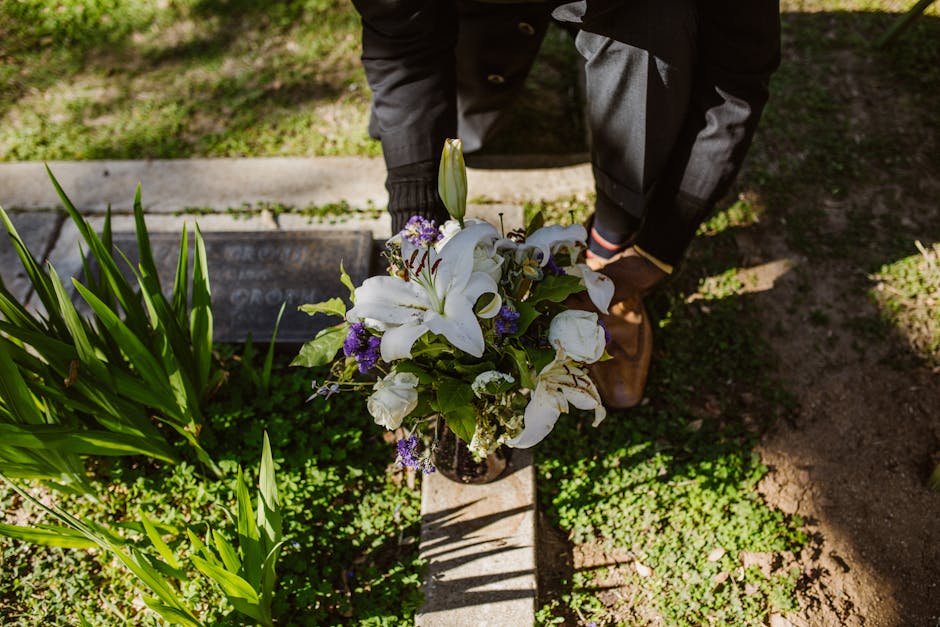
Table of Contents
- Why Emerson Park council fines for illegal funeral flowers disposal Matters
- How Emerson Park council fines for illegal funeral flowers disposal Works
- Key Benefits and Practical Advantages
- Who This Is For and When It Makes Sense
- Step-by-Step Guidance
- Expert Tips for Better Results
- Common Mistakes to Avoid
- Tools, Resources and Recommendations
- Law, Compliance, Standards, or Best Practice
- Options, Methods, or Comparison Table
- Case Study or Real-World Example
- Practical Checklist
- Conclusion
- Frequently Asked Questions
Why Emerson Park council fines for illegal funeral flowers disposal Matters
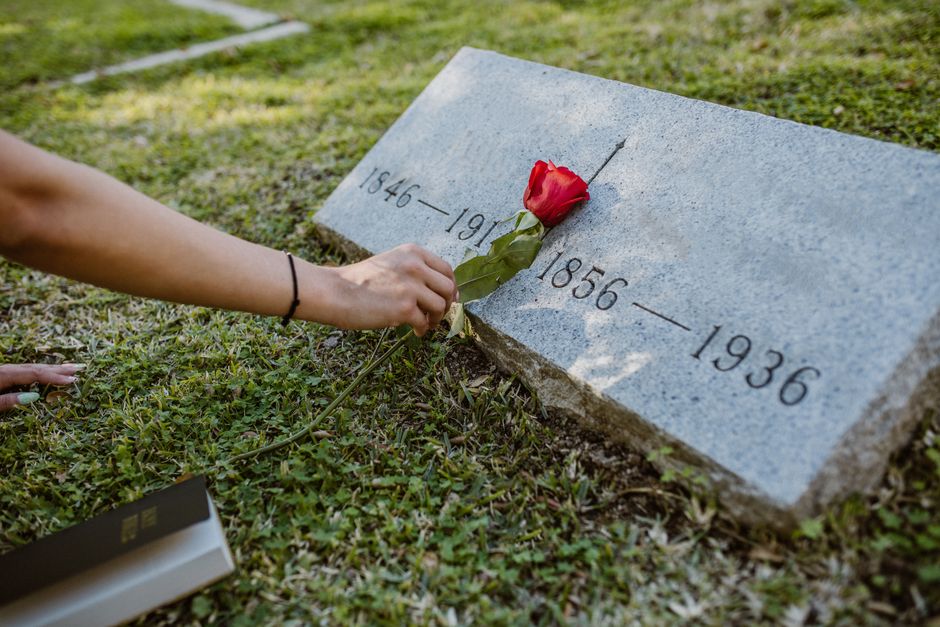
Funeral flowers carry more than decoration value. They are symbolic, often deeply personal, and usually placed with care at a service, crematorium, church, cemetery, or family memorial location. Because of that, the final disposal of those flowers is not just a tidy-up task. It can involve public land, cemetery rules, waste collection standards, environmental expectations, and, in some cases, council enforcement.
The key issue is that flowers left where they should not be can create litter, obstruct access, attract complaints, or interfere with maintenance and memorial spaces. In a busy area like Emerson Park, where local streets, burial sites, and shared public spaces all have their own routines, councils tend to take a practical view: if something creates avoidable mess or breaches local site rules, it may lead to action.
And that action is not always dramatic. Sometimes it starts with a warning. Sometimes it is a request to remove items immediately. In more serious situations, a fine may follow if there is repeated dumping, deliberate fly-tipping, or failure to follow site instructions. To be fair, most people are not trying to cause a problem. They simply do not know the local expectation, and that is where trouble creeps in.
Practical takeaway: funeral flowers should be treated as respectful memorial items first, but they still need to be disposed of in line with local rules, site instructions, and ordinary waste responsibilities.
You will also notice that this topic sits at the intersection of emotion and compliance. That makes it easy to misunderstand. People may assume a floral tribute can be left anywhere near a grave or along a roadside memorial. Not always. Councils generally expect order, safety, and cleanliness, even in sensitive spaces.
How Emerson Park council fines for illegal funeral flowers disposal Works
There is no one-size-fits-all process, but the mechanics are usually similar. A council or land manager identifies that funeral flowers have been left in an unauthorised place, ignored after a service, or dumped with other waste. If the issue appears minor, the first step may be an informal request. If it is repeated or clearly unlawful, the situation can move toward enforcement.
The term illegal funeral flowers disposal can cover a few different scenarios:
- leaving tributes in areas where removal is not permitted
- dumping old bouquets beside public bins, verges, or entrances
- placing flowers in a way that obstructs paths, maintenance access, or memorial work
- mixing floral waste with general fly-tipped rubbish
- ignoring instructions posted by a cemetery, crematorium, or churchyard
In practice, enforcement usually depends on context. Was the tribute left respectfully with a clear intention for collection? Or was it abandoned and left to rot in a public space? That distinction matters more than people expect. A small bundle of flowers beside a grave marker may be treated differently from a heap of waste bags and dead arrangements by a roadside verge. Same category, very different response.
The council may consider factors such as location, visibility, risk, nuisance, and whether the person responsible can be identified. If there is evidence of repeated non-compliance, the chances of a formal penalty rise. And yes, paperwork can follow. Nobody enjoys that part. Nobody.
When a fine is issued, the details usually depend on the type of offence and the authority handling it. It may be connected to littering, fly-tipping, breach of site rules, or wider environmental enforcement. Because local procedures can vary, it is wise not to assume that "it was only flowers" will automatically count as a defence. Sometimes it helps. Sometimes it really doesn't.
Key Benefits and Practical Advantages
It may sound odd to talk about benefits in a topic about fines, but there are real practical upsides to getting funeral flower disposal right. First, you avoid unnecessary penalties and the stress that comes with them. Second, you keep memorial spaces tidy and respectful. Third, you protect local relationships, which matters a lot in close-knit communities.
There is also a quieter benefit: peace of mind. When you know what should happen to wreaths, sprays, posies, and tribute arrangements after the service, you can focus on the farewell itself. That matters on a day when emotional bandwidth is already stretched.
- Less risk of penalties: following local expectations reduces the chance of warnings or fines.
- Better appearance of memorial spaces: tidier areas feel calmer and more dignified.
- Less confusion for families: everyone knows what happens next.
- Cleaner coordination with florists and venues: no awkward last-minute scramble.
- Better environmental handling: flowers can be separated from plastics and packaging more sensibly.
From an operational point of view, good disposal also saves time. If a florist or funeral director has a consistent process for collection, recycling, and waste separation, there is less chance of items being left behind in a car park or near a chapel entrance after the service. Little thing, big difference.
If you already use a trusted local florist, it helps to choose one that understands tribute work, delivery timing, and event flow. For example, customers looking for respectful arrangements often start with funeral flowers in Emerson Park and then decide how those flowers will be handled after the service. That planning step can prevent a lot of confusion later.
Who This Is For and When It Makes Sense
This topic is relevant to more people than you might think. The obvious group is families arranging a funeral, but the responsibility often extends further. Funeral directors, florists, cemetery visitors, churchwardens, carers, and even local businesses near memorial locations may all need to understand what is allowed.
You may need this guidance if you are:
- organising a burial, cremation, or memorial service
- managing floral tributes after the ceremony
- posting flowers to a grieving family and wondering what happens next
- working in a florist shop handling delivery notes and tribute timing
- responsible for a cemetery, chapel, or churchyard area
- dealing with an instruction from a council officer or site manager
It also makes sense if you have recently noticed old flowers being removed from graves or public memorial spots and wondered why they cannot just be left there forever. Truth be told, the answer is usually about maintenance cycles, safety, and site appearance. Memorial spaces are meant to feel peaceful, but they still need practical upkeep.
Some people only look into this after something has already gone wrong. That is understandable, especially if there is grief involved. But if you are planning ahead, you have the advantage. A small amount of preparation can spare a family an awkward conversation and avoid any council notice landing through the letterbox.
Step-by-Step Guidance
If you want to stay on the right side of local expectations, a simple process works best. No drama, no overthinking, just a sensible sequence.
- Check the venue or site rules first. Cemetery, crematorium, churchyard, and memorial sites often have different expectations about removal and placement.
- Decide whether the flowers are for display, collection, or disposal. A tribute left for a family to collect is not the same as waste to be thrown away.
- Separate packaging from the flowers. Plastic wrap, ribbon, foam, card stems, and wire may need different handling.
- Arrange collection promptly. The longer flowers sit in heat or damp weather, the messier they become. British weather, as always, likes to be awkward.
- Use the correct waste stream. Green waste, general waste, and special tribute items should be treated according to site instructions where available.
- Do not leave items in a public place unless allowed. A roadside verge or bin area is not automatically acceptable.
- Keep records if you are a florist or funeral organiser. A simple note about delivery, collection, or disposal can help if questions arise later.
If the council or site manager has already raised an issue, act quickly and calmly. Move the flowers if asked, keep communication polite, and document what you have done. That is not about being overly formal. It is just sensible. The person on the other end may be dealing with repeated problems and will usually respond better to straightforward cooperation than to a defensive argument.
A useful rule of thumb: if you would hesitate to leave the flowers there for a week, then they probably need a proper collection plan. That sounds obvious, but in the moment, people often forget.
Expert Tips for Better Results
After handling floral tribute work for any length of time, you notice the same patterns. The best outcomes usually come from the boring habits. Timely collection, clear instructions, and plain communication. Not glamorous, but effective.
Here are some practical tips that help:
- Ask where flowers should go after the service. Do not assume someone else will deal with them.
- Keep tribute labels simple and readable. It helps families identify which arrangement is theirs.
- Use mixed arrangements carefully. If flowers include foam, metal pins, or non-biodegradable materials, disposal may need a little more thought.
- Choose arrangements that suit the setting. Some styles are easier to manage than others. For example, a wreath or spray may be more straightforward than a packed arrangement with lots of packaging.
- Plan for weather. A damp morning can turn a neat display into a soggy job by afternoon.
For florists, offering a clear aftercare message at the point of sale is a small but valuable service. If you are sending condolence flowers, a short note explaining that arrangements should be collected or disposed of in line with local site rules can prevent a lot of uncertainty. A customer ordering through flower delivery in Emerson Park RM11 may not be thinking about disposal at checkout, so a little guidance goes a long way.
One more thing: if you are ever unsure, ask before acting. It sounds simple because it is. A two-minute call can save a lot of awkwardness later, and a lot of reputational mess too.
Common Mistakes to Avoid
The mistakes here are often small, but they add up. Most are caused by assumption rather than bad intent.
- Leaving flowers beside a bin: that can look like dumping, even if you meant well.
- Mixing tribute items with general litter: cards, ribbons, and packaging can cause disposal confusion.
- Assuming all memorial spaces have the same rules: they do not.
- Ignoring a removal notice: even a polite request can become formal if overlooked.
- Forgetting about wet flowers in hot weather: they decay fast and can create smell, mess, and complaints.
- Using a public verge as a temporary holding spot: temporary has a habit of becoming permanent.
Another common mistake is thinking that flowers are "natural" so they can simply be left anywhere. That is not how councils see it. Yes, flowers biodegrade. But arrangements often include plastics, wires, adhesives, plastic sleeves, cards, and foam. A bouquet is not just petals and stems. It is a mixed item, and mixed items require a bit more care.
Families also sometimes assume that once a service ends, someone automatically collects everything. Sometimes that happens. Sometimes it doesn't. If you are coordinating the day, spell it out clearly. It saves the emotional version of last-minute guesswork, which nobody needs.
Tools, Resources and Recommendations
You do not need specialist equipment to manage funeral flower disposal properly, but a few simple tools help keep everything tidy and compliant.
- Collection bags or boxes: useful for cards, ribbons, and smaller keepsakes.
- Garden scissors or secateurs: handy for separating stems and removing damaged material.
- Gloves: helpful for handling soggy arrangements, especially after several days.
- Labels or notes: essential if multiple families' tributes are being handled together.
- Basic waste sorting bins: separate green waste from non-organic packaging where possible.
For arrangements themselves, many people prefer styles that are easier to manage and respectful in appearance. Funeral-specific pieces such as sprays, wreaths, posies, baskets, and tribute letters are commonly used because they suit memorial settings and can be handled more predictably. If you want options that are designed for this purpose, take a look at the wider selection of funeral tribute flowers available locally.
There is also a sustainability angle. Where possible, ask for less plastic wrapping, reusable carriers, or arrangements that use fewer non-compostable materials. That does not mean every funeral flower order should be stripped down to the bare minimum. It just means practical choices can also be kinder to the environment. A nice balance, really.
For households that regularly send flowers for different occasions, it may also help to work with a florist who is transparent about delivery, returns, and general service expectations. That kind of clarity matters even more in sensitive orders. You can also review general site information such as delivery guidance and sustainability practices to understand the broader standards behind floral handling.
Law, Compliance, Standards, or Best Practice
This is the section people usually skip, and then regret later. Let's keep it plain. Funeral flower disposal can touch on local authority rules, cemetery or crematorium regulations, anti-litter expectations, and sometimes fly-tipping enforcement. The exact legal basis depends on what happened, where it happened, and how the items were left.
There is no sensible way to pretend that every floral issue is the same. A wreath placed at a designated memorial site is one thing. An abandoned pile of dead bouquets, cards, plastic wrap, and broken vases left near a public pavement is another. Councils tend to look at the actual impact, not just the sender's intention.
Best practice usually means:
- following the instructions of the venue or site manager
- removing flowers when requested
- keeping pathways and memorial areas clear
- sorting reusable or biodegradable materials where possible
- treating funeral tributes with dignity throughout the process
If you are a florist, it is wise to set expectations clearly in your product descriptions, order notes, and customer communications. Clear handling instructions are part of professional service, not a bonus. Customers sending flowers in Emerson Park often need reassurance that tribute items will be delivered with care and without creating disposal issues afterwards.
For families, the safest approach is simple: ask the venue what happens to the flowers after the service. Some sites allow collection. Some have designated disposal arrangements. Some request immediate removal. Do not guess. Guessing is where headaches begin.
Options, Methods, or Comparison Table
There are usually a few different ways funeral flowers are handled after a service. The right choice depends on the location, the family's wishes, and the site rules.
| Method | Best for | Pros | Watch out for |
|---|---|---|---|
| Family collection | Memorial flowers with sentimental value | Simple, respectful, keepsakes can be saved | Needs clear timing and someone to take responsibility |
| Venue-managed removal | Crematoriums, churches, and managed memorial sites | Cleaner process, less confusion | Must follow the site's schedule and instructions |
| Green waste disposal | Flowers with minimal packaging | More environmentally sensible | Not all materials are compostable |
| General waste disposal | Mixed tribute items with plastics, cards, and wire | Practical when sorting is difficult | Less sustainable, may still need separation |
| Temporary retention for keepsakes | Families keeping cards or symbolic blooms | Emotionally meaningful | Needs a dry, safe place and a later plan |
If you are deciding between these options, think about three things: dignity, practicality, and site rules. In that order, usually. A neat solution that respects the memorial setting tends to work better than a quick shortcut. Sounds obvious, but it saves people from a lot of avoidable bother.
Case Study or Real-World Example
Here is a realistic example based on the kind of situation local florists and families often face. A family orders several tribute arrangements for a service in Emerson Park. The flowers look beautiful on the day, and everyone is focused on the farewell, not the aftermath. After the service, the family assumes the venue will collect everything. The venue assumes the florist or family will remove the tributes. By the next day, some flowers are still outside in mixed weather, alongside torn wrapping and card inserts.
That is when problems start. Not because anyone acted with bad intent, but because nobody owned the final step. A council or site manager may issue a removal request, and if the items remain, a warning or fine becomes possible. It is the sort of thing that turns a thoughtful gesture into an avoidable admin issue. Nobody wants that memory attached to the day.
Now compare that with a better-managed version. The florist leaves a simple after-service note, the family knows which tributes are theirs, and the venue has a clear collection window. One person confirms collection, another disposes of packaging, and the site remains tidy. No drama. No awkward messages the next morning. Just done properly.
That is the real lesson here. The flowers are not the problem. Unclear responsibility is.
Practical Checklist
Use this checklist before and after the funeral to avoid disposal mistakes and possible fines.
- Confirm the venue or site's flower removal rules.
- Ask who is responsible for collection after the service.
- Separate flowers, cards, ribbon, plastic wrap, and wire where possible.
- Arrange a collection time if tributes are to be kept.
- Do not leave flowers beside public bins or on pavements unless permitted.
- Dispose of mixed materials in the correct waste stream.
- Keep a note of any instructions given by the venue.
- For florists, include aftercare or collection guidance with the order.
- If asked to remove flowers, do so promptly.
- Review whether the arrangements were suitable for the site in the first place.
If you want a simpler route for future orders, consider using a florist that can guide you toward respectful arrangements and clear handling. A good local choice can make the whole process less stressful, especially when time is tight and emotions are high. A florist with a broad range, including flower shops in Emerson Park RM11, can help you choose arrangements that suit both the occasion and the practical realities afterwards.
Conclusion
Emerson Park council fines for illegal funeral flowers disposal are not really about punishing grief. They are about how floral tributes are handled once the service ends, and whether they are left in a way that breaks site rules, creates litter, or causes avoidable nuisance. The simplest protection is clarity: know the venue's instructions, decide who is responsible, and remove or dispose of items properly.
For families, that means fewer surprises. For florists, it means better service and fewer complaints. For councils and site managers, it means cleaner, calmer memorial spaces. And for everyone involved, it means the flowers stay what they were meant to be: a respectful gesture, not an accidental enforcement issue.
Get the process right, and you usually will not hear from the council at all. That is the goal, really. Quiet competence, a tidy space, and one less thing to worry about on an already emotional day.
Get a free quote today and see how much you can save.
Frequently Asked Questions
What does illegal funeral flowers disposal mean in Emerson Park?
It usually refers to leaving funeral flowers in a place where local rules do not allow them, dumping old tributes as litter, or failing to remove them when asked by a site manager or council representative.
Can the council really fine me for funeral flowers?
Yes, in some situations. If the flowers are treated as litter, fly-tipping, or a breach of site rules, a council may issue a warning or a penalty depending on the circumstances.
Are flowers left at a grave automatically allowed?
Not always. Some cemeteries and memorial sites permit floral tributes only in certain areas or for limited periods. It depends on the site's own rules.
What should I do with funeral flowers after the service?
Check with the venue first. Flowers may be collected by the family, removed by the site, composted where appropriate, or placed in the correct waste stream if mixed with packaging.
Do I need to remove plastic wrapping and ribbons?
Yes, if possible. Packaging often needs different handling from the flowers themselves, and separating materials helps reduce waste and avoid disposal problems.
Are funeral flowers classed as green waste?
Sometimes, but not always. The flowers may be compostable, while ribbons, cellophane, foam, wire, and cards may not be. Mixed arrangements usually need sorting.
What happens if I ignore a request to remove the flowers?
Ignoring a request can increase the chance of formal enforcement. Councils and site managers usually prefer cooperation first, but repeated refusal can make the situation worse.
Is it better to ask the florist about disposal in advance?
Yes. That is one of the easiest ways to avoid confusion. A good florist can explain what materials are used and how the arrangement should be handled after the service.
Can funeral flowers be left on public land near the service venue?
Only if the location permits it. Public land, pavements, verges, and bin areas are not automatically acceptable places for floral tributes.
How can I avoid a fine when sending funeral flowers in Emerson Park?
Choose a suitable arrangement, ask the venue about removal rules, make sure someone is responsible for collection, and do not leave items in unauthorised places after the service.
Do florists need special procedures for funeral tributes?
They do not need complex systems, but they do need clear handling notes, sensible delivery timing, and basic guidance for customers about collection or disposal.
What is the most practical approach if I am unsure what to do?
Ask the cemetery, crematorium, church, or funeral director before leaving the flowers. When in doubt, a quick question is safer than guessing and dealing with a warning later.